

Lawn Aeration & Overseeding
If you've tried everything and your grass still won't grow, the problem is probably under the surface.
Compacted soil cuts off the air, water, and nutrients your grass needs to thrive. Over time, that leads to thinning turf, patchy bare spots, and a lawn that just won't fill in, no matter what you do.
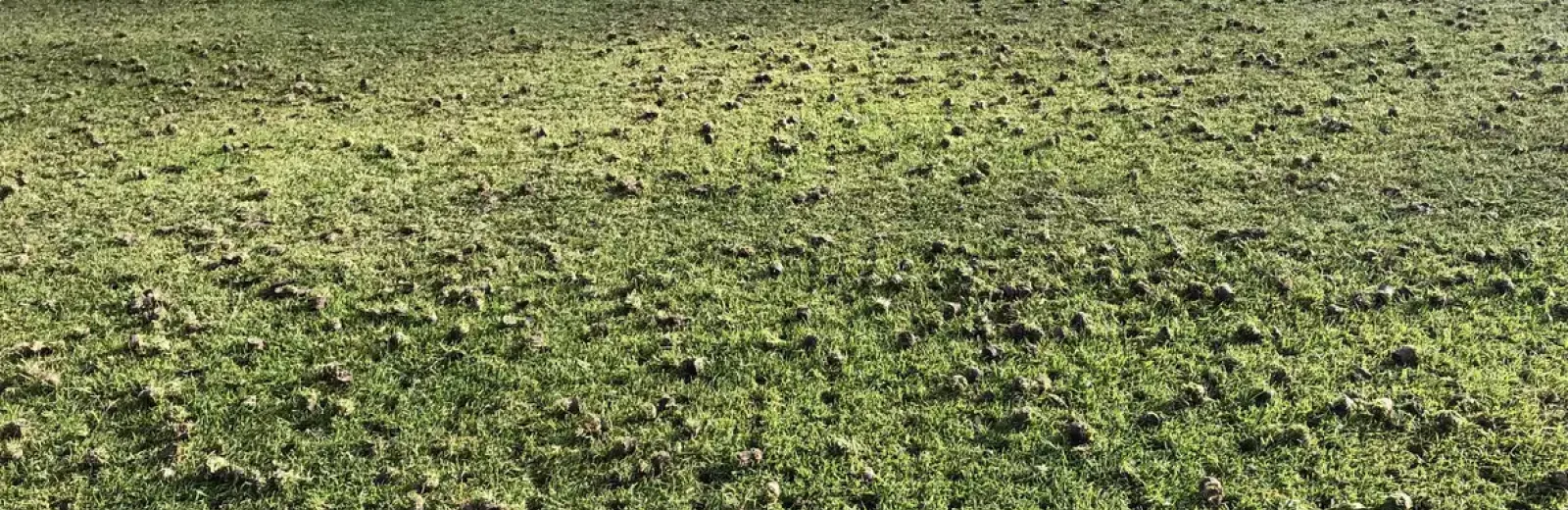
Core aeration breaks through that compaction by pulling small plugs from the soil, opening up pathways for roots to grow deeper. Paired with overseeding, it gives new grass seed direct contact with loose soil, so it actually germinates. Whether you're timing it for spring Bermuda seeding or a fall fescue application, the process is the same: give your lawn what it needs to grow from the ground up.
Here's why homeowners across Western Tennessee and Southeastern Missouri trust Lawn Aeration from 4-Evergreen Lawn Care:
- Locally rooted with 25 years serving this region
- Core aeration and overseeding done in a single visit
- Seed selection timed to spring and fall growing windows
- Starter fertilizer applied right after seeding
- Guidance on watering and mowing so new grass establishes well
4-Evergreen Lawn Care takes the guesswork out of lawn care. If your grass has been struggling, this is the step that changes things.
Restoring Your Lawn’s Foundation With Aeration and Overseeding
Thin grass, bare patches, and hard, compacted soil are signs your lawn needs structural repair, not just seasonal maintenance. 4-Evergreen Lawn Care pairs core aeration with strategic overseeding to break up compaction and establish thick, resilient turf. When performed at the right time and followed correctly, this one-two approach delivers results that last through droughts, heat, and foot traffic.
How the Process Works
Aeration and overseeding are most effective when performed as a coordinated service. We handle every step to ensure your new seed has the best environment for germination and strong root establishment.
Here's what happens when 4-Evergreen Lawn Care shows up:
- Inspect and clear the lawn: We walk the property, remove surface debris, and mark sprinkler heads, utility lines, and obstacles so our equipment operates safely and efficiently
- Core aerate: Our machine pulls thousands of small plugs of soil and thatch from your lawn, opening the ground to improve drainage and relieve compaction
- Seed immediately: Fresh seed is spread right after aeration, falling directly into the newly created holes for maximum seed-to-soil contact and germination rates
- Apply starter fertilizer: We apply starter fertilizer over the seeded areas to support rapid root development and seedling establishment
- Guide your care plan: We provide specific watering and mowing instructions for your grass type, so you know exactly how to support successful germination
Timing Matters: Seed Selection by Season
The best time to aerate and seed depends on your grass type and when it actively grows.
Bermuda seeding: Spring through early summer. Bermuda grass grows vigorously in warm weather, so late spring through early summer is the ideal window for establishment.
Fescue and cool-season seeding: Late summer through fall. Cool-season grasses thrive in cooler temperatures, making late summer and fall the best time to plant.
If you reach out during an off-season month, we will schedule your service for the next appropriate growing window. This ensures your new seed germinates at peak establishment time, giving you the strongest possible results.
Is Your Lawn Trying to Tell You Something?
Most lawn problems don't show up overnight. They build slowly, and by the time something looks obviously wrong, the soil underneath has usually been struggling for a while. In Tennessee, a combination of clay-heavy soils, hot summers, and heavy seasonal rainfall creates conditions that wear lawns down faster than most homeowners expect.
Knowing what to look for early makes a real difference. 4-Evergreen Lawn Care has seen these same patterns repeat across the region's yards season after season, and the signs are usually more straightforward than people think.
Common signs your lawn is under stress:
- Bare or patchy areas that don't fill back in after rain or regular watering
- Grass that looks thin, flat, or worn down in high-traffic zones like pathways and play areas
- Water pools or runs off instead of soaking into the soil after irrigation or rainfall
- Turf that feels hard and dense underfoot, almost like compacted dirt rather than healthy ground
- Slow recovery after drought stress or a dry stretch in summer
- Thatch buildup that creates a spongy, matted layer between the grass and the soil surface
- Increased weed pressure moving into thin or open spots across the yard
Any one of these signs points to soil that isn't performing the way it should. A few of them together usually mean the root zone is being cut off from the water, air, and nutrients it needs to support healthy turf. approaches these problems at the source, so the fixes actually hold.
Frequently Asked Questions
Areas We Service in Tennessee and Missouri
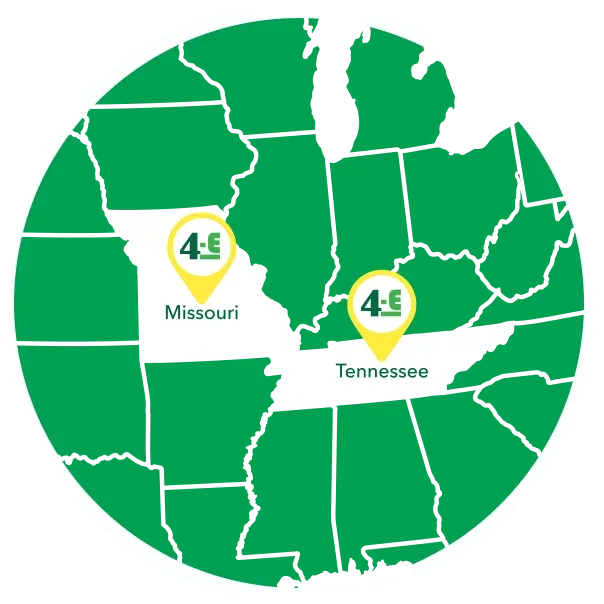
For over 25 years, 4-Evergreen Lawn Care has provided core aeration and overseeding to lawns in Western Tennessee and Southeastern Missouri. See if 4-Evergreen Lawn Care serves your city or a nearby community below.